
This fuel cost calculator and EV charging cost calculator work in one tool. It compares electric, conventional hybrid, plug-in hybrid, petrol and diesel vehicles over the same distance and returns cost per mile or kilometre, cost per 100 units, and monthly and annual energy cost. Put three vehicles side by side, switch between metric, US and UK units, and either use a rated consumption figure or work out your real average from the fuel and energy you actually bought.
How to use this fuel cost calculator
Select the powertrain for each vehicle. Petrol, diesel and conventional hybrids need average fuel economy, tank capacity and fuel price. An EV needs energy consumption, usable battery capacity, electricity price and charging loss. A plug-in hybrid needs both fuel and electricity figures plus the share of distance driven electrically.
Use From average consumption for a rating or a known average. Use From fuel or energy purchased to calculate your observed consumption from the distance covered and the litres, gallons or kWh bought. Enter a planned trip distance and the cost of that single journey is added to the table as well.
What does average consumption mean? Metric fuel consumption is litres per 100 km. US and UK fuel economy is miles per gallon using the correct gallon size, and the tool converts between them. EV consumption is kWh per 100 km or per 100 miles. Usable battery capacity is the energy available to the driver, which is not the same as gross capacity.
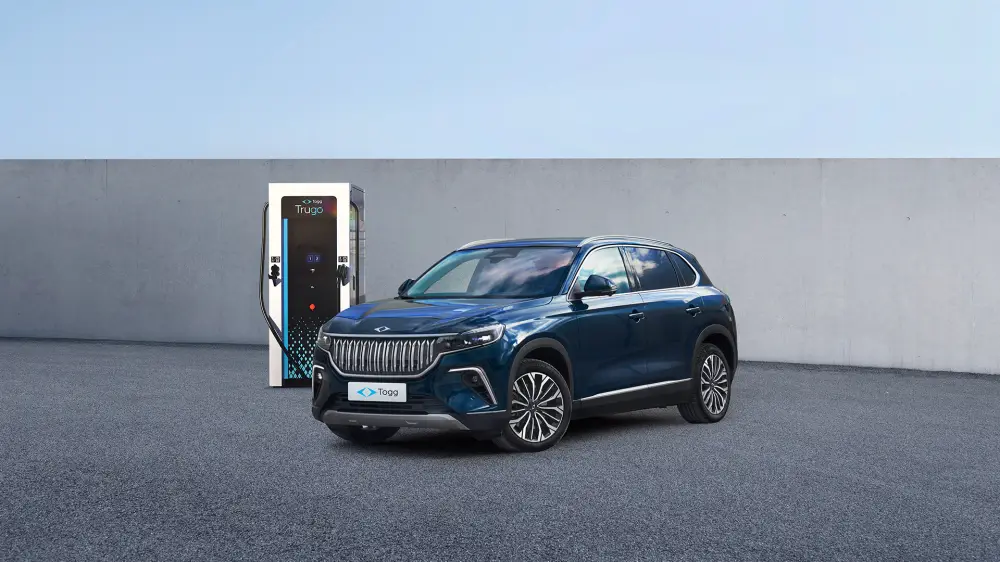
EV charging cost calculator: the formula
Charging cost is consumption multiplied by the price per kWh, divided by charging efficiency:
Cost per 100 units = (kWh per 100 units ÷ charging efficiency) × price per kWh
Home, public AC and DC fast charging prices differ, so enter a blended rate that reflects where you actually charge. If three quarters of your charging is done at home, weight the average accordingly. Cable, on-board charger and battery thermal management losses mean the energy drawn from the wall exceeds the energy stored in the pack; that gap is the charging loss and is typically around 10 percent. If your consumption figure was already measured at the wall or read from a meter, set the loss to zero so you do not count it twice.
Cost per mile: electric vs gas
Convert both vehicles to the same distance and the comparison becomes direct. An EV using 27 kWh per 100 miles at 15 cents per kWh costs about 4.5 cents per mile in energy at the wall after a 10 percent charging loss. A petrol car doing 34 mpg (US) at 3.40 dollars per gallon costs about 10 cents per mile. The tool does this conversion for you and also shows the annual difference against the most expensive vehicle in the table, which is the number that actually drives the decision.
Where the cost difference comes from
A petrol or diesel car carries its energy as liquid fuel in a tank; an electric car stores it in a battery pack. That is why the two are costed in different units — price per litre or gallon against litres or gallons per distance for one, price per kWh against kWh per distance for the other. The calculator brings both onto the same distance so the figures can be compared directly.
An EV result does not depend on battery size alone. Charging losses, ambient temperature, climate control, payload, gradient and speed all move real consumption. On the combustion side, congestion, short trips, hills, high speed, air conditioning and driving style do the same. This is why a rated range and a real-world range are rarely the same number.
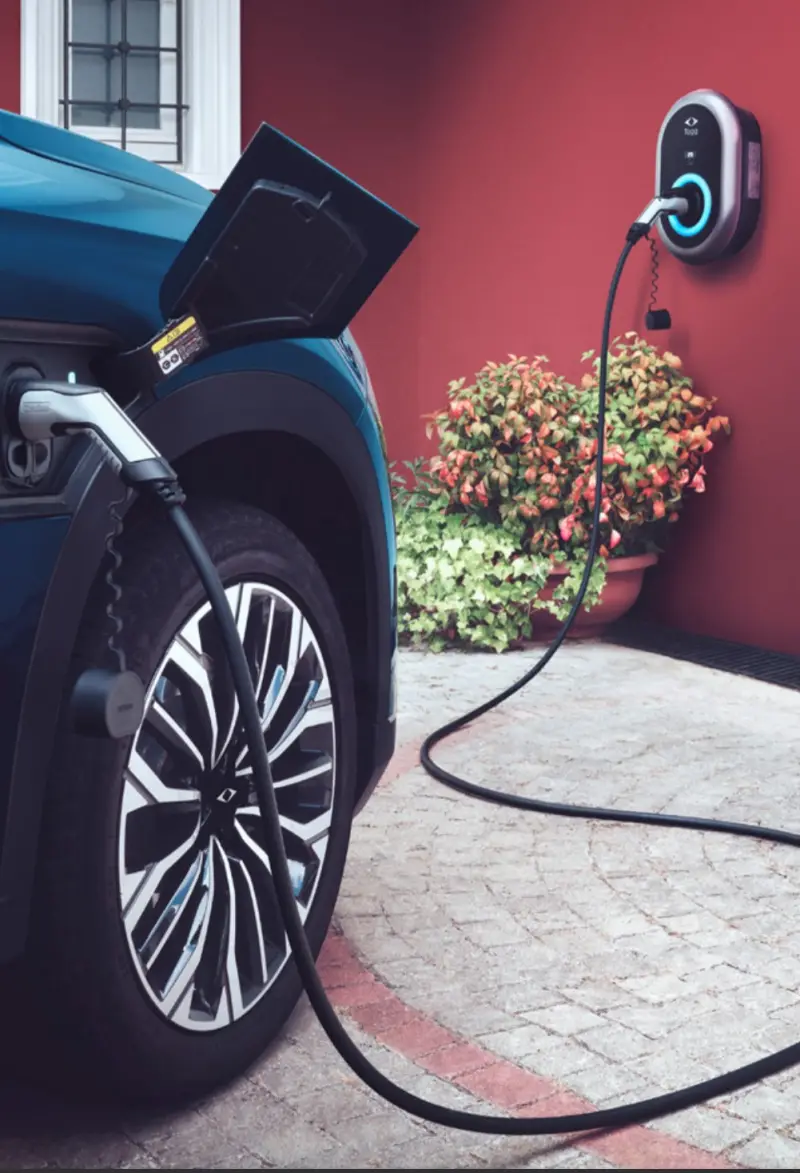
Why real-world consumption changes
Weight, speed, hills and climate control
Passengers and cargo require more energy during acceleration and climbing. Aerodynamic drag rises with the square of speed, so motorway driving reduces EV range noticeably. Hot or cold weather adds battery conditioning and cabin heating or cooling loads. Short trips, low tyre pressure, congestion and hard acceleration affect combustion vehicles in the same way. For the most accurate comparison, enter your own measured consumption rather than the manufacturer figure.
Regenerative braking explained
Regenerative braking converts part of the vehicle's motion back into electricity during deceleration and returns it to the battery. A long descent can recover a useful amount, but it never returns everything spent on the climb, because rolling resistance, aerodynamic drag and conversion losses remain. Recovered energy reduces consumption; it does not cancel it.
Hybrid vs electric vs gas
How does an internal combustion engine work?
A petrol or diesel engine burns fuel inside the cylinder and converts the released energy into motion through the piston and crankshaft. It depends on oil, filters, spark plugs and a fuel system as regular service items. An electric motor has no combustion: battery energy passes through power electronics to the motor, which produces torque directly.
Do electric cars have transmissions?
Almost all electric cars have a transmission, but a very simple one: a single-speed reduction gear, typically between about 8:1 and 10:1, that steps the motor's high rotational speed down to wheel speed. There is no multi-ratio gearbox and no clutch, because an electric motor delivers full torque from zero speed and pulls cleanly across its whole range. A few performance models use a two-speed unit to extend top speed. This is also why an EV needs no gear selection: the reduction ratio is fixed and reverse is achieved by reversing the motor.
How does a hybrid car work?
A conventional hybrid assists the engine at low load and recovers part of the braking energy, but is never plugged in and carries a small battery — so a single L/100 km or mpg figure describes it fully. A plug-in hybrid has a much larger battery that is charged externally and covers part of the distance on electricity alone. Its cost advantage depends entirely on being charged regularly; an uncharged plug-in hybrid carries battery weight for nothing. The share of distance driven electrically field models exactly this.
Maintenance and total cost of ownership
Battery EVs usually need less scheduled powertrain maintenance because they have no engine oil, spark plugs or exhaust system, and regenerative braking can reduce brake wear. Tyres, suspension, climate control, coolant circuits, electronics and periodic inspections remain. Hybrids keep both an engine and electrical hardware, so servicing does not disappear.
The calculation on this page covers energy only. Maintenance, tyres, insurance, tax, repairs, home-charger installation and finance all have to be added before a purchase decision.
EV battery life expectancy and resale value
Battery life depends on age, temperature history, fast-charging habits, time spent at very high or very low state of charge, cell balance and the battery management software — not on mileage alone. For a used EV, review the battery health report, remaining warranty, observed range, DC charging performance, service history, software support and accident records.
Used EV values move with incentives, new-car discounts, technology turnover and local supply. Rather than trusting a single depreciation percentage, compare the same model's new price, current listings at similar age and mileage, how long they take to sell, and battery condition. Fast depreciation is a risk for a new buyer and an opportunity for a used one.
Is an electric car worth it?
The lowest energy cost is not automatically the lowest total cost. A practical method: divide the purchase-price premium of one vehicle over another by the annual energy difference the calculator reports. The result is roughly how many years it takes to recover that premium. Compare it with how long you intend to keep the car, then weigh maintenance, insurance and resale value on top.
Annual mileage matters more than anything else in that sum: the higher your yearly distance, the faster an energy advantage pays back. Home charging, long-distance habits and local service access decide the rest.
Frequently asked questions
How is cost per mile electric vs gas calculated?
Convert each vehicle's energy use to one mile, multiply by the price per kWh or per gallon, then compare both over the same monthly distance. The calculator does this and also shows the annual difference.
How far can a car travel on one tank or one charge?
Range is usable capacity divided by consumption. A 13.2 US gallon tank at 34 mpg gives about 449 miles; a 60 kWh usable pack at 27 kWh per 100 miles gives about 222 miles. Weather, speed, terrain and load change the result.
What charging loss should I use?
If your consumption figure represents energy stored in the battery, around 10 percent is typical. If you measured it at the wall or from a meter, the loss is already included — leave the field at zero.
Does a plug-in hybrid need charging every day?
Regular charging is what makes a plug-in hybrid economical. The right frequency depends on your daily distance, the electric range of the car and the manufacturer's guidance.
Results are estimates based on the values you enter and are not purchase advice. Verify current fuel and electricity prices, vehicle specifications and warranty terms from your own sources.